Drywood Termite Tenting & Fumigation in Ruskin, FL
Drywood termite infestations in Ruskin, Apollo Beach, and coastal SouthShore homes require decisive whole-structure tent fumigation or targeted spot treatments. Unlike subterranean termites, drywoods live entirely within structural timbers, roof framing, and wood trim. Call (321) 496-4080 to discuss fumigation prep and schedule an on-site evaluation.
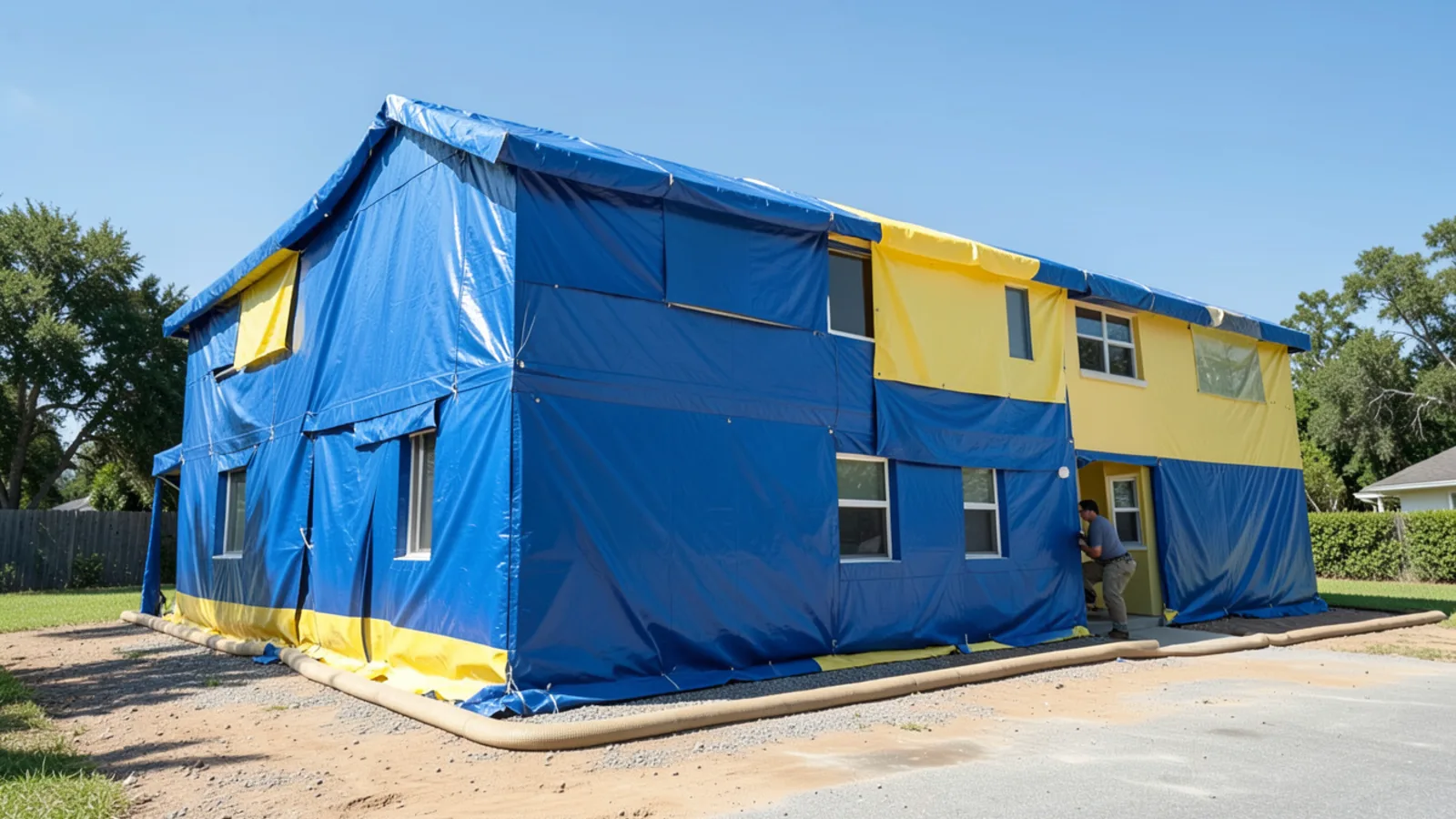
Structural Drywood Termite Tent Fumigation in Ruskin & SouthShore
Drywood termite infestations in Ruskin, Apollo Beach, and coastal SouthShore homes require decisive whole-structure tent fumigation or targeted spot treatments. Unlike subterranean termites, drywoods live entirely within structural timbers, roof framing, and wood trim. Call (321) 496-4080 to discuss fumigation prep and schedule an on-site evaluation.
Direct Hotline: Call (321) 496-4080 to connect directly with a qualified independent pest contractor specializing in termite tenting Ruskin FL.
Warning Signs of Drywood Termite Infestation in Structural Wood
Drywood termites live entirely inside structural lumber without needing soil moisture. Look for these distinct diagnostic signs:
Why Coastal Florida Humidity Accelerates Drywood Termite Colonization
Warm summer coastal air and salt breezes encourage drywood termite swarmers to land on unpainted eaves, rafter tails, and fascia boards:
- Coastal winds along Tampa Bay carry drywood swarmers directly onto residential eaves, docks, and rooflines.
- Unlike subterranean termites requiring soil moisture, drywood species (*Cryptotermes cavifrons* and *Incisitermes snyderi*) survive exclusively on ambient Florida humidity and bound wood moisture, nesting at the highest points of attic roof decking.
- Older frame cottages and coastal canal homes feature exposed wood corbels and decorative rafter tails susceptible to colonization.
- Drywood termites require no connection to soil ground moisture, allowing hidden colonies to mature undisturbed inside ceiling joists.
- Dock pilings, wooden gazebos, and tiki huts near Apollo Beach waterways frequently serve as local breeding reservoirs.
Structural Inspection Checkpoints for Drywood Termite Tenting
Fumigation planners assess roofline architecture, attic joist accessibility, clearance around perimeter landscaping, and tarping challenges:
Whole-Structure Tent Fumigation vs Targeted Spot Injections
Evaluating whole-home sulfuryl fluoride gas fumigation against localized borate foam injections for drywood infestations:
Whole-Structure Tent Fumigation (Sulfuryl Fluoride)
Enclosing the entire building in gas-tight vinyl tarps and introducing sulfuryl fluoride gas to penetrate all wood members.
Localized Borate & Foam Spot Injections
Precision drilling into confirmed infested timbers and injecting liquid borate or expandable foam into gallery voids.
Preventative Borate Wood Surface Treatments
Spraying bare unsealed attic wood framing with a penetrating disodium octaborate tetrahydrate solution.
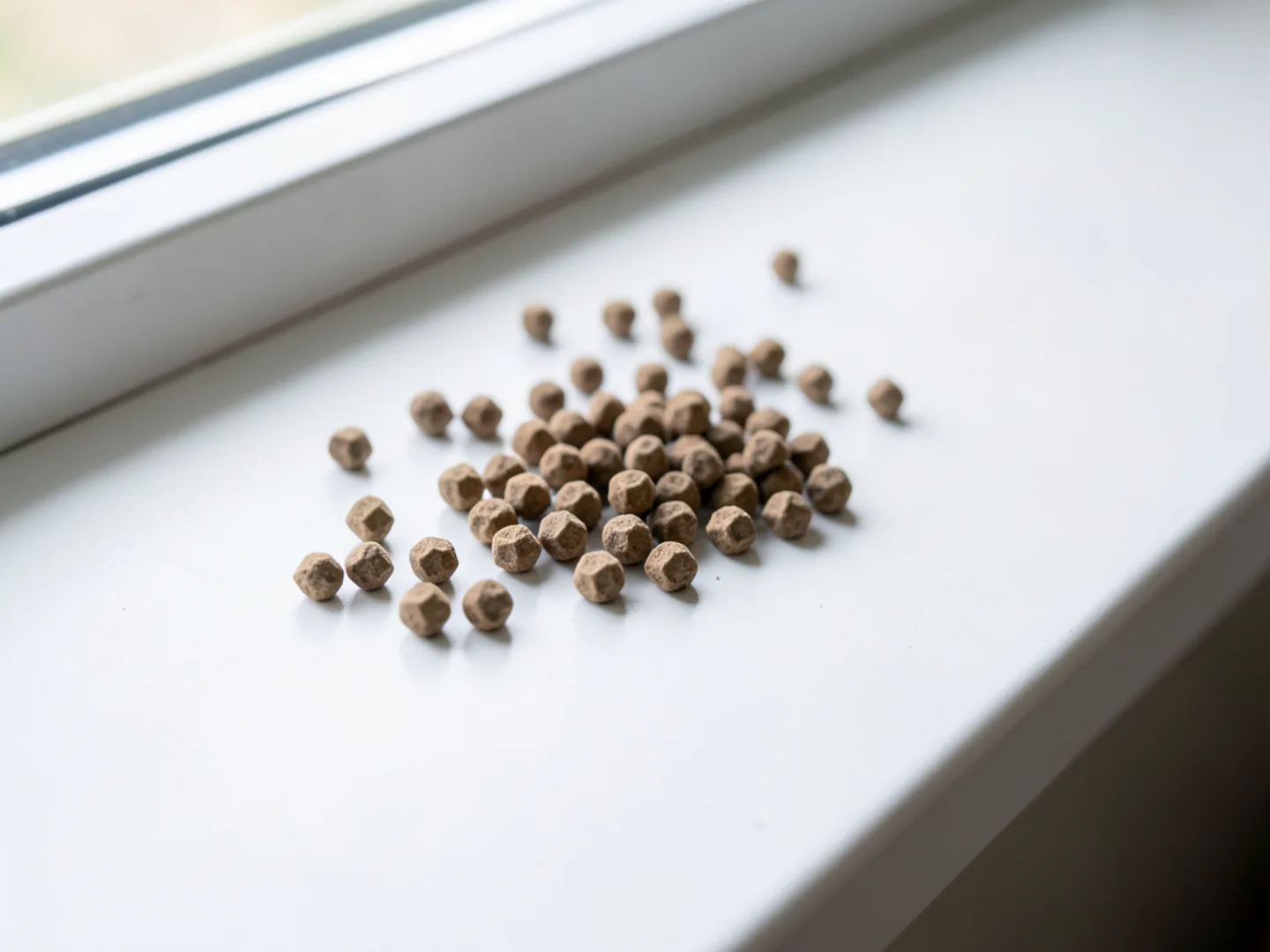
Finding Drywood Pellets on Window Sills or Baseboards?
Connect with an independent fumigation contractor experienced in whole-structure tenting and localized borate remediation.
The Whole-Home Structural Fumigation Timeline
Structural tenting follows a strict safety protocol from homeowner food prep and bagging through gas aeration and clearance testing:
Inspection & Structural Scoping
A qualified fumigation specialist inspects the structure to confirm drywood species and calculate building cubic volume.
Homeowner Preparation Phase
You receive detailed checklists for bagging food and medications in specialized Nylofume bags and arranging temporary lodging.
Tarping & Fumigant Introduction
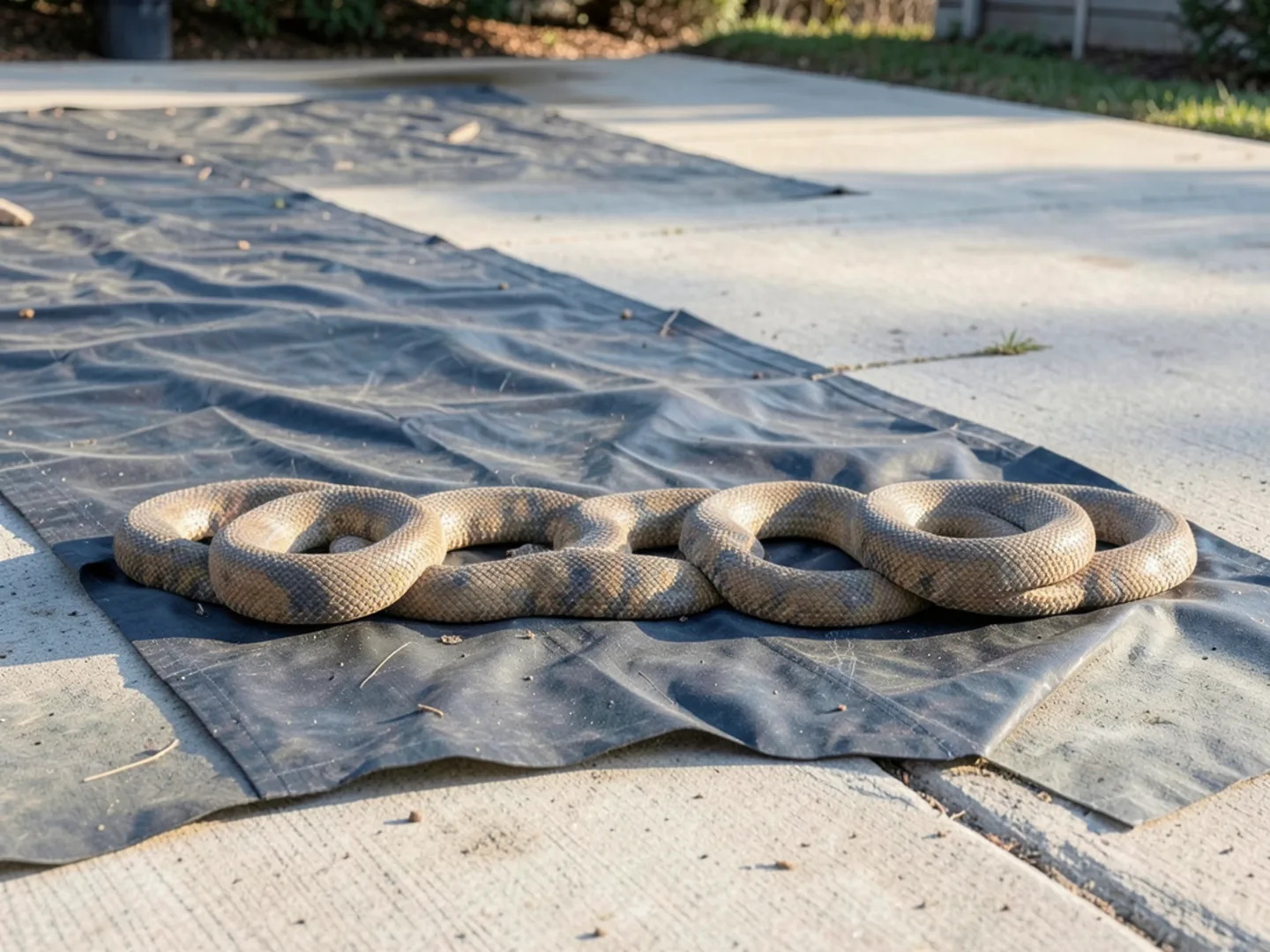
Fumigation crews enclose the entire structure using heavy vinyl-coated nylon tarps secured at ground level with weighted sand snakes. Secondary safety warning locks and state-mandated warning signs are posted before introducing precision-measured sulfuryl fluoride gas.
Aeration & Official Re-Entry Testing
Tarps are removed and high-velocity fans aerate the structure for 24 hours. The fumigation technician uses sensitive low-level gas detection instruments (such as an Interscan analyzer) to confirm air quality measures below 1 ppm before issuing formal re-entry clearance.
Variables Determining Whole-Home Tent Fumigation Estimates
Tent fumigation cost is determined by total cubic air volume under the tarps, roof pitch, tile protection needs, and gas dosage levels:
| Pricing Factor | Practical Impact on Estimate |
|---|---|
| Building Cubic Footage | Fumigation pricing is calculated on total interior and roof volume, not simple square footage. |
| Roof Pitch & Multi-Level Overhangs | Complex architectural rooflines and steep pitches require additional rigging labor and specialized tarp clamping. |
| Landscaping Clearance Needs | Shrubs and tree branches within 3 feet of the foundation must be trimmed back to allow tarp sealing. |
| Spot Treatment vs Full Tent | Localized spot injections are significantly lower in upfront cost than whole-structure tent fumigation. |
Termite Tenting & Fumigation Standards & Florida Oversight
In South Hillsborough County, professional termite tenting & fumigation is administered under Florida Statute Chapter 482 by the Florida Department of Agriculture and Consumer Services (FDACS). Commercial operations require business registration within the Fumigation Pest Control Category.
Fumigation is the most strictly controlled category under Florida Statute Chapter 482. Technicians must hold specialized Fumigation certification and conduct mandatory clearance gas testing. Property owners can verify active business registration through public FDACS records prior to dispatch.
SouthShore & Manatee Communities Served for Drywood Fumigation
Independent local contractors maintain regular routes across South Hillsborough and North Manatee counties within a concentrated 30–35 minute response window:
Coastal waterfront residences with exposed exterior rafter tails and dock structures.
Historic wood-frame homes along the Manatee River with mature drywood infestations.
Villa rooflines and fascia boards requiring localized or structural fumigation.
Older single-family homes with widespread drywood termite gallery networks.
Homes along the Alafia River corridor with elevated ambient attic moisture.
Established two-story residences needing attic rafter and wall void eradication.
Custom ranch properties with complex roof pitches requiring gas-tight tarping.
Rural residential parcels with outbuildings and structural timber framing.
Growing estate homes requiring preventative or corrective structural defense.
Preserve-edge homes facing aerial drywood swarmer flights from hardwood hammocks.
Frequently Asked Questions: Drywood Termite Tenting in Ruskin, FL
Most residential tent fumigations require occupants, pets, and living indoor plants to be out of the home for 48 to 72 hours. The contractor will provide an exact schedule and cannot clear the home for re-entry until electronic gas detectors confirm safe air quality.
- Drywood Termites in Florida — University of Florida IFAS Extension
- Fumigation Safety and Regulations — FDACS Division of Agricultural Environmental Services
Get Decisive Drywood Termite Remediation in Ruskin, FL
Call (321) 496-4080 to connect with a qualified structural fumigation team and eliminate drywood termites throughout your property.